
-

Fournisseur officiel
Peanut beetles (Palembus dermestoides)
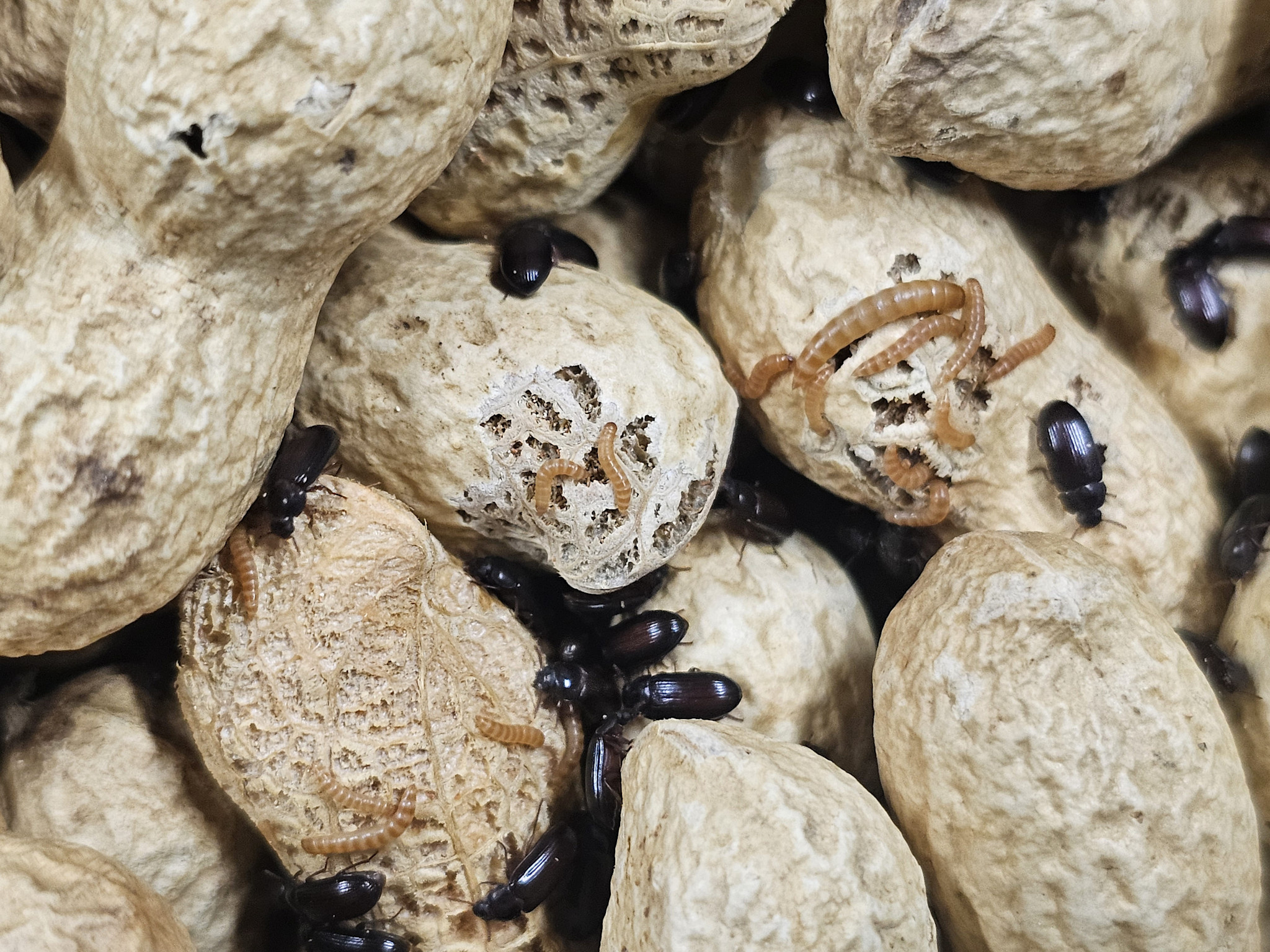
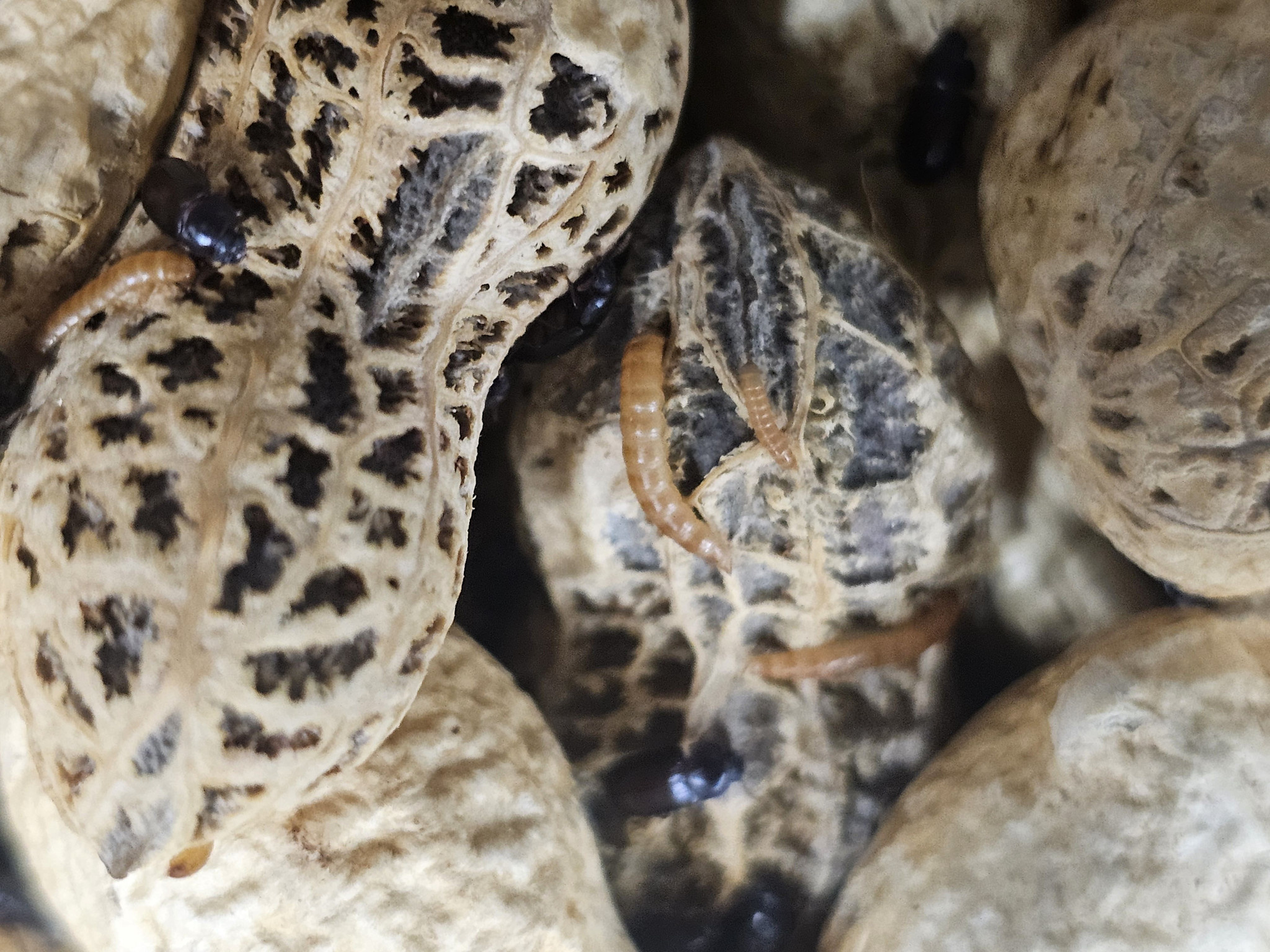
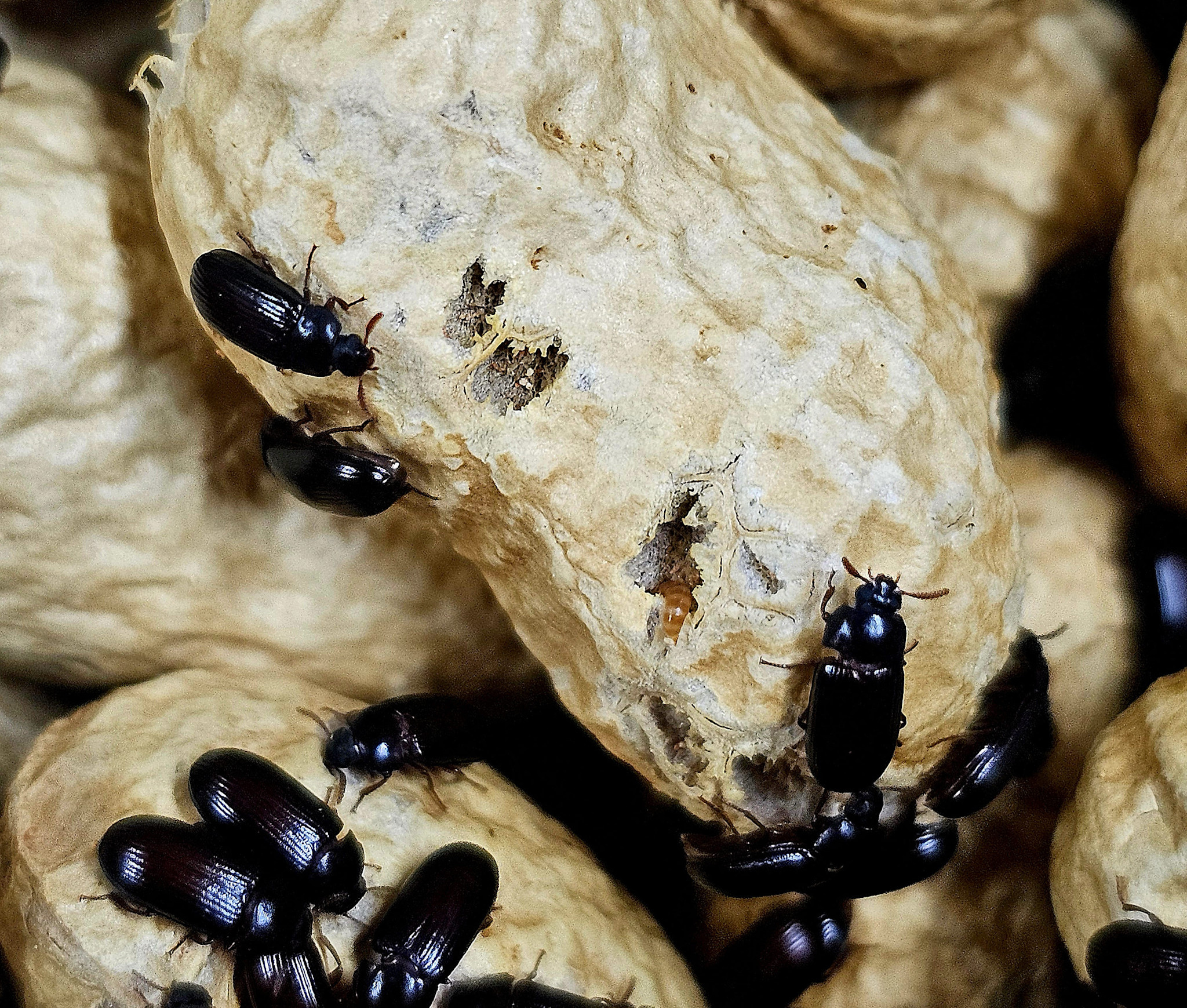
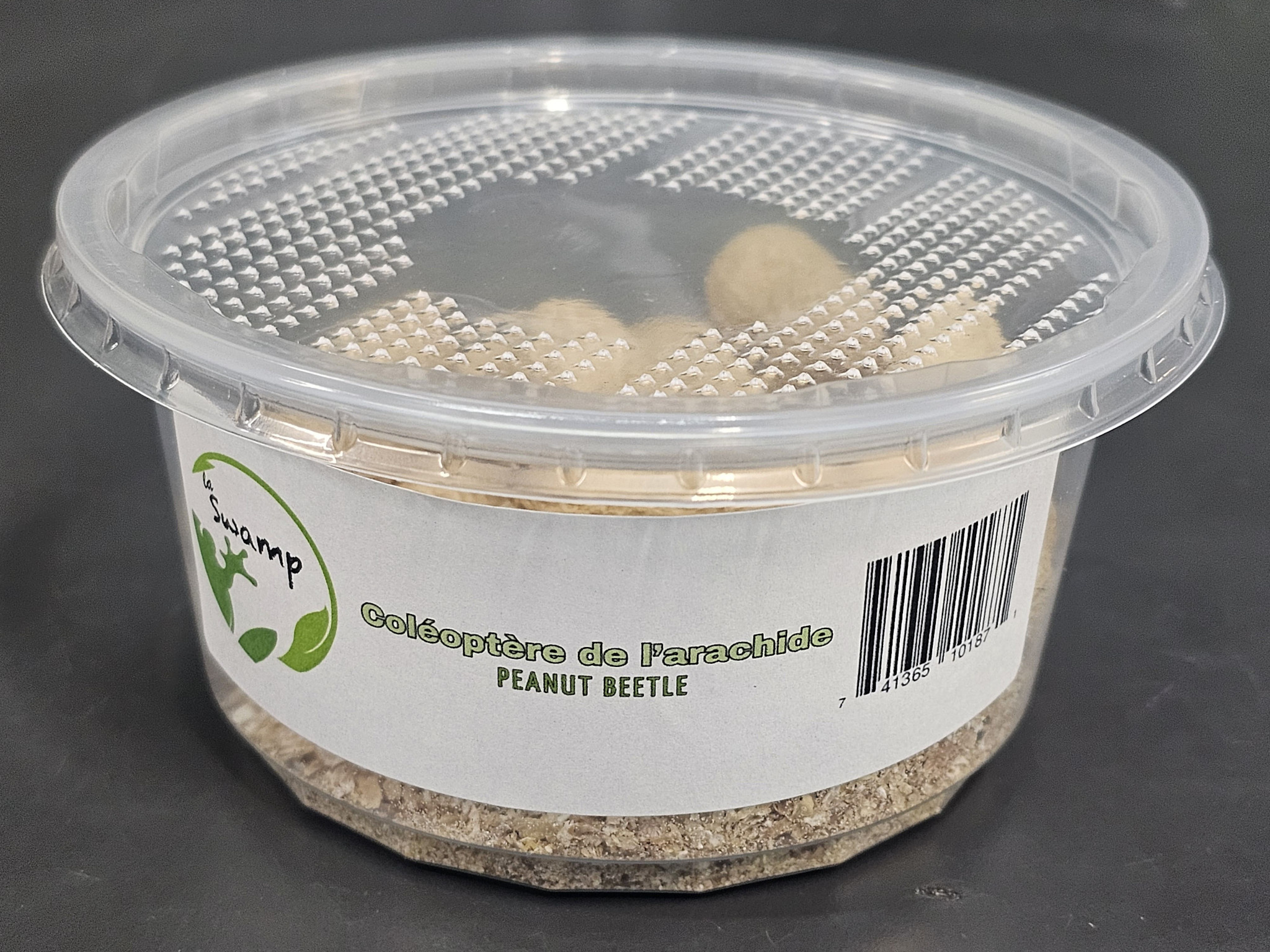
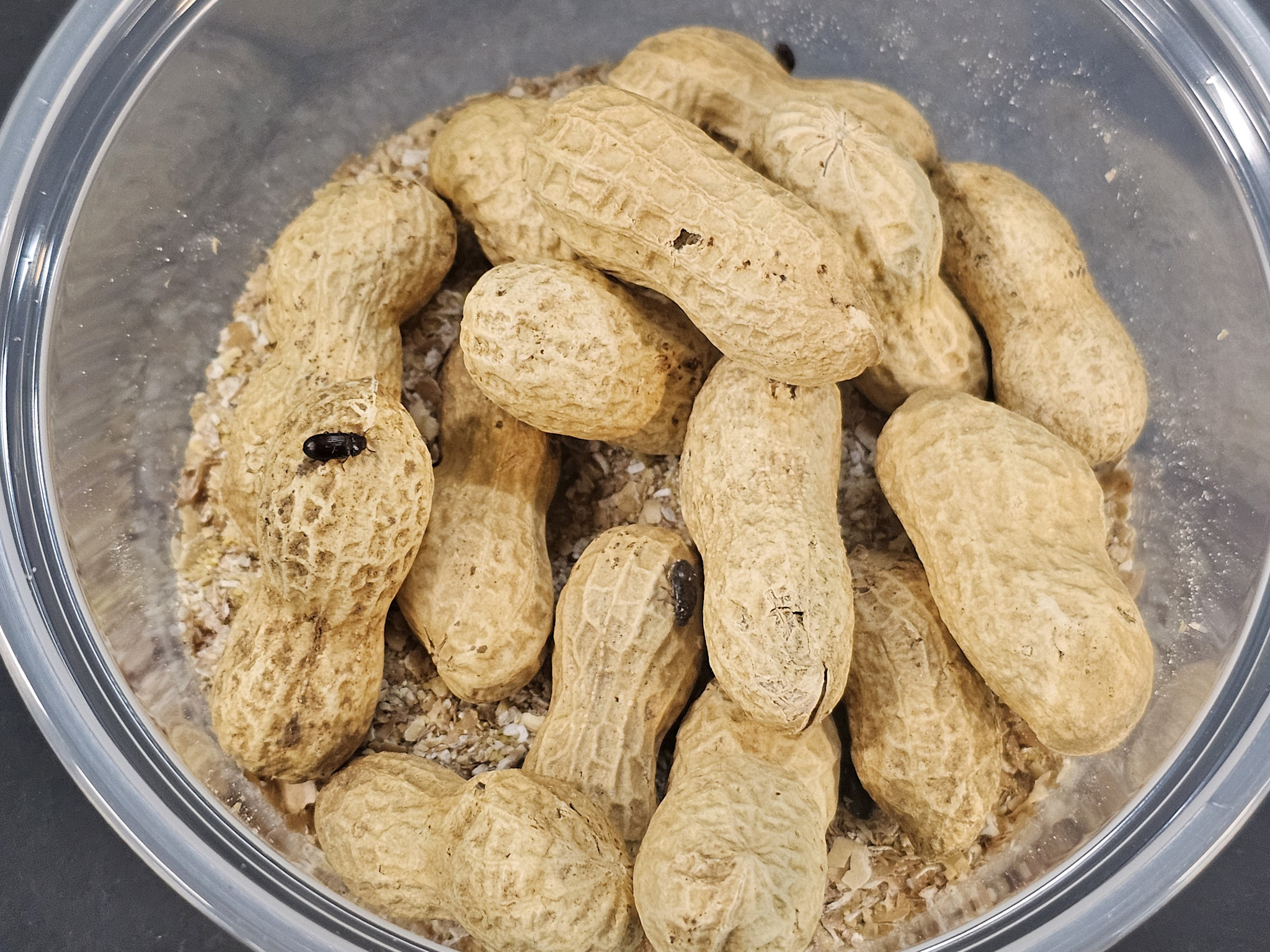
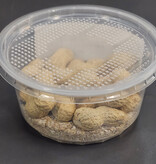
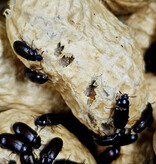
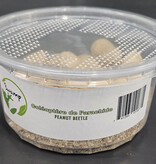
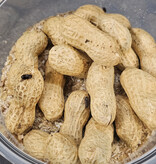
A balanced source of protein and calcium, these beetles are perfect for diversifying your diet while promoting good bone health.
| Article number: | CULT-PNUT |
| Availability: | In stock (4) |
| Delivery time: | Same-day in-store pickup only |
Product description:
The Peanut beetle is a small-sized feeder insect, useful for small reptiles, amphibians, and several insectivorous invertebrates.
Note: it is generally preferable to feed with larvae rather than adults, because the larvae are:
softer and easier to digest (less hard shell than the adult beetle)
often more nutritious and “meaty” at the same size
easier to consume for small animals (less risk that the prey is too “hard”)
Product: Peanut beetle
Usage tips:
Offer in small quantities and adjust according to appetite
Sprinkle with calcium + vitamins if needed before feeding
A unique addition to your insect section.
Since butterworms and waxworms are already well known to many, we won't dwell on these feeder insects. However, here is more information about peanut beetles, along with attached photos.
Nutritional Benefits
High in protein: These insects provide an excellent source of protein, essential for growth, cell regeneration, and muscle mass maintenance in reptiles.
Low in fat: Unlike some other feeder insects, they are relatively low in fat, making them suitable for regular feeding without the risk of obesity.
Low in chitin: They have a low chitin content, making them more digestible than mealworms.
Although some may want to feed adult specimens, it is not recommended; larvae are safer, more digestible, and better accepted.
Peanut beetle larvae are perfect for feeding poison dart frogs, small gecko species, jumping spiders, or even ants. However, this alternative is small and therefore not suitable for larger reptiles.
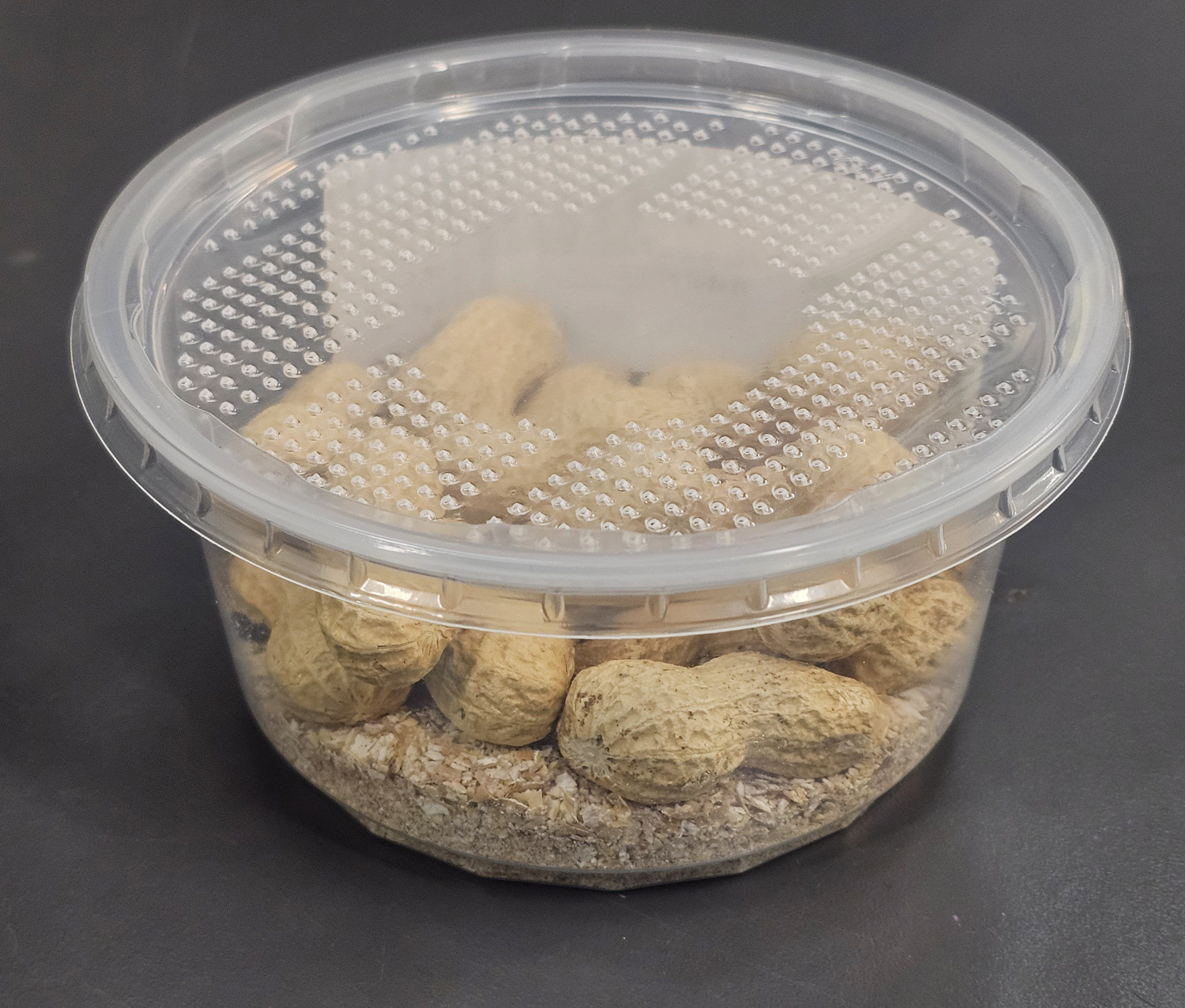
Cultures will be packaged in 12oz containers and will contain a minimum of 30 adult individuals. This species of feeder insect reproduces quite quickly.
Maintenance
Requires little to no maintenance; they can survive for 2 months without supplemental food or water (they will feed on the peanuts in the crop). However, if you offer them vegetables such as carrots, they will happily consume them.
CULT-PNUT